

Cart
0
Table of Contents
- What 14K Gold Actually Is (and Why 58.3% Gold Content Matters)
- 14K vs 10K vs 18K Gold: A Durability Comparison
- 14K Gold vs 18K Gold Durability: Which Holds Up Better?
- Can You Wear 14K Gold in the Ocean? Swimming, Showers, and Chlorine
- How to Clean 14K Gold Jewelry at Home Without Damaging It
- Pros and Cons of 14K Gold for Everyday Wear
- Long-Term Care, Maintenance Costs, and Visual Aging
- Frequently Asked Questions
Last Updated: September 13, 2026
What 14K Gold Actually Is (and Why 58.3% Gold Content Matters)
14K gold is an alloy made of 58.3% pure gold mixed with 41.7% other metals, a composition that makes it significantly harder and more scratch-resistant than higher-karat alternatives. That balance is exactly why 14K gold durability for everyday wear outperforms softer metals in rings, bracelets, and necklaces worn daily. This guide from Native Jewel breaks down how 14K gold holds up against real-life conditions, from chlorine exposure to constant friction, so you can choose a piece that lasts decades rather than months.

Gold Purity and Karat Explained
Karat measures gold purity on a 24-part scale. Pure gold is 24K, which is too soft for daily jewelry because it bends and scratches easily. Each karat represents roughly 4.17% gold content, so 14K contains 14 parts gold and 10 parts alloy metals. That 58.3% figure is the threshold where gold keeps its precious-metal value while gaining the structural hardness needed for regular wear. The FTC Jewelry Guides on gold content marking require accurate karat stamping, so a "14K" hallmark is a legally regulated claim, not a marketing term.
14K vs 10K vs 18K Gold: A Durability Comparison
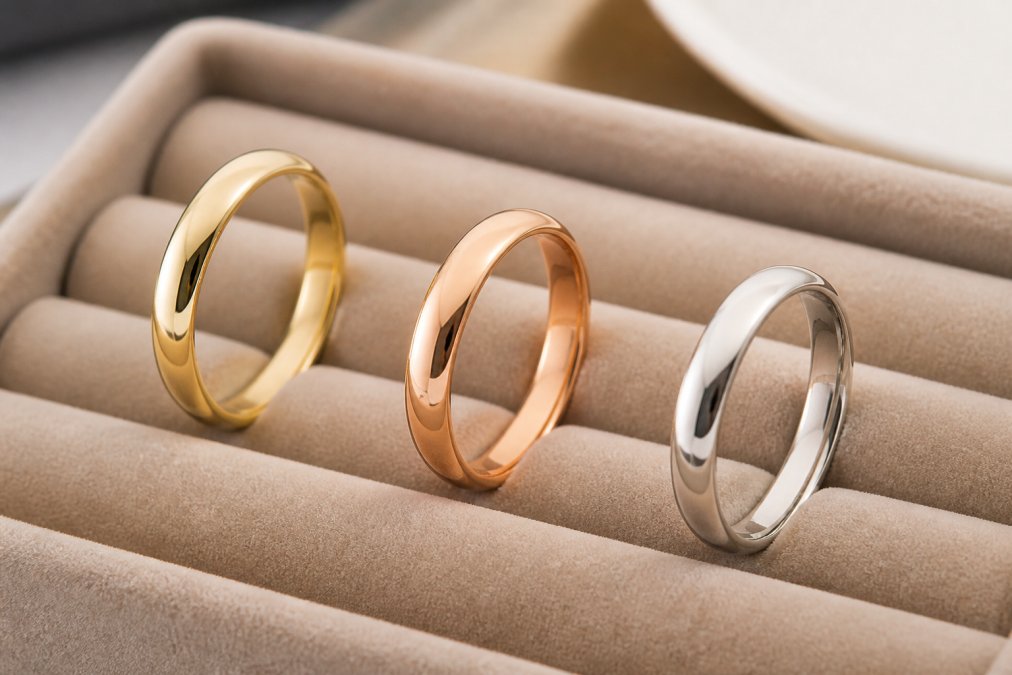
The durability difference between karats comes down to how much alloy metal each contains. More alloy means a harder metal, but less gold content and a duller color. Here is how the three most common karats compare:
| Karat | Gold Content | Relative Hardness | Color Depth | Best For |
|---|---|---|---|---|
| 10K | 41.7% | Hardest | Pale, muted | Budget daily wear |
| 14K | 58.3% | Hard, balanced | Rich, warm | Everyday jewelry |
| 18K | 75% | Softer | Deepest | Occasional wear |
Why the Hardness Gap Exists
On the Vickers hardness scale, pure 24K gold sits around 25 HV, which is soft enough to bend with finger pressure. Adding copper, silver, and zinc to create 14K pushes the alloy into the 120-150 HV range depending on the exact recipe. That is roughly five times harder than pure gold. 18K lands lower, typically in the 90-110 HV range, because it carries more of the soft pure gold and less of the hardening alloy. 10K pushes higher still, often 150-180 HV, because alloy metals make up the majority of the piece.
That hardness gap is not academic. A 14K ring resists the daily micro-abrasions from typing, gripping, and brushing against surfaces that would leave visible scratches on an 18K band within the first few months. The trade-off is color: more alloy dilutes the yellow, so 10K looks noticeably paler than 14K, and 14K looks slightly less saturated than 18K.
How Karat Choice Should Track Jewelry Type
Most guides treat all jewelry the same, but durability demands differ sharply by piece. A ring takes constant impact and friction; a necklace or pair of earrings mostly hangs and rarely contacts hard surfaces.
- Rings (high impact): 14K is the practical sweet spot. It holds prongs and resists bending better than 18K, and it is more affordable than 18K for a piece you will wear daily. 10K works for budget pieces but looks pale and is harder to resize cleanly.
- Bracelets (moderate impact): 14K handles the constant knocking against desks, doorframes, and other wristwear. 18K is workable if the piece is a lighter chain that flexes rather than dents.
- Necklaces and pendants (low impact): 18K is viable here because the metal rarely strikes hard surfaces. The deeper color is a real advantage, and the softer metal is not a liability in this wear pattern.
- Earrings (low impact): Either karat works. 14K is the safer default for posts and backs that see repeated friction from insertion and removal.
The Alloy Recipe Matters as Much as the Karat
Two 14K yellow gold rings from different manufacturers can wear differently because the alloy recipe is not standardized. A copper-heavy blend skews warmer and harder; a silver-heavy blend is paler and slightly softer. This is why two pieces stamped "14K" can feel different on the finger and age at different rates. When durability matters, ask the jeweler about the alloy composition, not just the karat stamp.
Key Takeaway
Karat sets the baseline hardness, but jewelry type and alloy recipe determine how that hardness plays out in daily wear. Match the karat to the piece, not just to the budget.
14K Gold vs 18K Gold Durability: Which Holds Up Better?
14K gold is more durable than 18K gold for everyday wear because its lower gold content and higher alloy ratio make it harder and more resistant to scratching and denting. 18K gold contains 75% gold, leaving only 25% alloy, so it bends more easily under pressure. For a ring worn daily, that difference shows up within months. 18K keeps a deeper color saturation and carries more investment value per gram, but it demands gentler handling. If you want a piece you never have to think about before washing dishes or typing, 14K wins.
Key Takeaway
For daily-wear rings, 14K gold offers the best durability balance: hard enough to resist scratching, rich enough in gold content to hold value.
Can You Wear 14K Gold in the Ocean? Swimming, Showers, and Chlorine
You can wear 14K gold in the ocean, but you should rinse it with fresh water afterward. Saltwater itself does not damage gold, yet the alloy metals in 14K can react over repeated exposure. Chlorine is the bigger concern. Pools and hot tubs contain chemicals that attack alloy metals, gradually weakening the metal and dulling the finish. A common mistake is leaving jewelry on in a chlorinated pool for hours, then wondering why the surface looks cloudy weeks later.
- Ocean: Generally safe; rinse with fresh water after swimming
- Showers: Safe, but soap residue builds up in settings over time
- Chlorine pools: Remove jewelry; repeated exposure causes pitting
- Hot tubs: Avoid; heat plus chemicals accelerates tarnish and oxidation
How to Clean 14K Gold Jewelry at Home Without Damaging It
Cleaning 14K gold at home takes about five minutes and requires only mild dish soap, warm water, and a soft-bristle brush. Skip toothpaste, baking soda, and abrasive polishes, which scratch the surface and wear down plating on white gold. Here is the routine:
- Mix a few drops of mild dish soap into a bowl of warm water
- Soak the piece for 10 to 15 minutes to loosen oils and residue
- Gently scrub crevices with a soft baby toothbrush
- Rinse under warm running water, plugging the drain first
- Pat dry with a lint-free cloth and let it air completely
For deeper buildup around prongs and pavé settings, a professional ultrasonic cleaning once or twice a year restores brilliance without risk.
Pro Tip
Store each piece in its own soft pouch. Pieces tossed together in a box scratch one another, and 14K gold is hard but not scratch-proof.
Pros and Cons of 14K Gold for Everyday Wear
Weighing the trade-offs honestly helps you decide whether 14K fits your lifestyle.
Pros:
- Harder than 18K, so it resists scratching and denting
- Holds color well and needs less frequent polishing
- Lower gold content keeps it more affordable than 18K
- Available in yellow, white, and rose gold
Cons:
- Less gold content means lower resale value than 18K
- White gold requires rhodium re-plating over time
- Alloy metals can trigger reactions in nickel-sensitive wearers
If you have a nickel allergy, ask about nickel-free alloy blends. Many modern 14K pieces, including those with hypoallergenic formulations, avoid nickel entirely.
Long-Term Care, Maintenance Costs, and Visual Aging
14K gold does not stay pristine forever, and pretending otherwise sets you up for disappointment. What separates a piece that looks nearly new after a decade from one that looks tired after three years is not luck. It is understanding how 14K gold actually ages and budgeting for the maintenance that keeps it sharp.
How 14K Gold Ages Over 5 to 10 Years
The wear pattern is gradual and predictable. In the first year of daily ring wear, you will see fine surface scratches, often called patina, that soften the mirror polish into a satin sheen. This is normal and not damage. Between years two and five, edges on prongs and high-relief details begin to round slightly, and the deepest scratches start to hold onto dirt, which makes the piece look duller than it actually is. By year ten, a well-worn 14K ring typically shows visible thinning on the bottom of the band and rounded prong tips, but the structure remains sound if the piece was properly made.
White gold ages differently. The rhodium plating that gives it a bright, cool white finish wears through in six to twenty-four months of daily wear, depending on skin chemistry and friction. Once the plating thins, the warmer yellow or pale gray base metal underneath starts to show, usually first on the underside of the band and the edges of the setting. This is not a defect; it is the nature of rhodium-plated white gold.
Yellow and rose gold do not have a plating layer to wear through, so their aging is purely mechanical: scratches, edge rounding, and gradual loss of polish. A buffing restores them to near-new appearance.
Maintenance Costs and Frequency
Professional maintenance for 14K gold is routine and relatively inexpensive compared to replacing a worn piece. Most jewelers offer the following services:
- Ultrasonic cleaning and steam: Often free or a nominal charge with any visit. Removes buildup in settings and restores sparkle without removing metal.
- Polishing and buffing: Removes fine scratches and restores the original finish. Recommended roughly once every twelve to twenty-four months for a daily-wear ring. Cost varies by market and piece complexity, but it is a routine service most jewelers perform in-house.
- Rhodium re-plating (white gold only): Needed every twelve to twenty-four months for daily-wear pieces. This is the single most predictable recurring cost of owning white gold.
- Prong re-tipping or rebuilding: Needed when prongs wear thin, typically every five to ten years on a daily-wear ring. This is a structural repair, not cosmetic, and should not be deferred.
A practical rule: budget for one professional service per year on a daily-wear ring, and treat anything beyond that as a sign the piece is being worn harder than the metal can sustain without intervention.
14K vs 18K: Which Ages Better?
18K gold develops visible wear faster because it is softer. A daily-wear 18K ring will show deeper scratches and more pronounced edge rounding in the same timeframe that a 14K ring shows only light surface wear. The 18K piece also loses more metal per polishing, which matters over decades because every polish removes a thin layer of gold. This is the quiet advantage of 14K for everyday pieces: it needs less frequent polishing, and each polish removes less material, so the piece lasts longer before it needs structural work.
18K keeps its deep color longer between polishes, and its higher gold content means it holds more value per gram if you ever sell. But for a ring you wear every day, 14K's slower aging curve usually wins on total cost of ownership.
Lifestyle Factors That Accelerate Aging
How fast a 14K piece ages depends heavily on what it is exposed to. Chlorine from pools and hot tubs attacks the alloy metals and can pit the surface over repeated exposure. Household cleaners containing ammonia or bleach do similar damage. Hand lotions, sunscreen, and hair products leave residue that traps dirt in scratches and makes the piece look older than it is. Gym use exposes rings to impact and abrasion from dumbbells and bars that no karat of gold is designed to absorb.
The single most effective habit for extending the life of 14K gold is removing it before swimming, cleaning, and heavy exercise, and wiping it with a soft cloth after contact with lotions or sunscreen. That one habit can push the interval between professional polishings from twelve months to two years or more.
Pro Tip
Store each piece in its own soft pouch. Pieces tossed together in a box scratch one another, and 14K gold is hard but not scratch-proof.
Frequently Asked Questions
Can you wear 14k gold every day without it breaking?
Yes. 14K gold is the standard for everyday fine jewelry because its 58.3% gold content is balanced with copper, silver, and zinc alloys that add strength. It holds up to daily wear, including typing, handwashing, and light exercise. Rings with thin bands or delicate pavé settings need more care than solid bands, but the metal itself won't crack under normal use. Native Jewel's 14K gold pieces, like the Round Diamond French Pavé Wedding Band in 14K yellow gold, are built for daily wear.
Does 14k gold tarnish with daily wear?
Pure gold does not tarnish, but 14K gold contains alloy metals that can react with sweat, lotions, and household chemicals. This shows up as a dull film or slight discoloration over time, not rust. Regular cleaning with warm water and mild soap removes most buildup. Keeping jewelry away from chlorine and harsh cleaners prevents most tarnish. White gold often has a rhodium plating that wears thin after 12 to 18 months, so re-plating is part of its care routine.
Is 14k gold better than 18k gold for daily use?
For daily wear, 14K gold usually wins on durability. The higher alloy content makes it harder on the Vickers scale, so it resists scratches and dents better than 18K gold, which is 75% gold and softer. 18K gold offers richer color and is a good choice for earrings, pendants, or occasional-wear rings. If you wear a ring every day, 14K gold holds its shape longer and needs less frequent polishing.
Can I shower or swim with 14k gold jewelry?
Showering is generally fine, though soap residue can dull the surface over time. Swimming in chlorinated pools or the ocean is riskier. Chlorine can weaken alloy metals with repeated exposure, and saltwater can accelerate surface wear. Take rings off before swimming and rinse them with fresh water afterward. For more on ocean wear, see our section on wearing 14K gold in the ocean.
Choosing jewelry for daily wear means balancing hardness, color, and long-term upkeep, and 14K gold hits that balance better than most alternatives. Native Jewel crafts 14K gold and IGI-certified lab-grown diamond pieces designed to handle real life, from the ocean to the office. With a lifetime warranty on all diamond jewelry, free shipping on orders over $1999, and 30-day hassle-free returns, you can commit with confidence. Explore the collection and find a piece built to last.


