

Cart
0
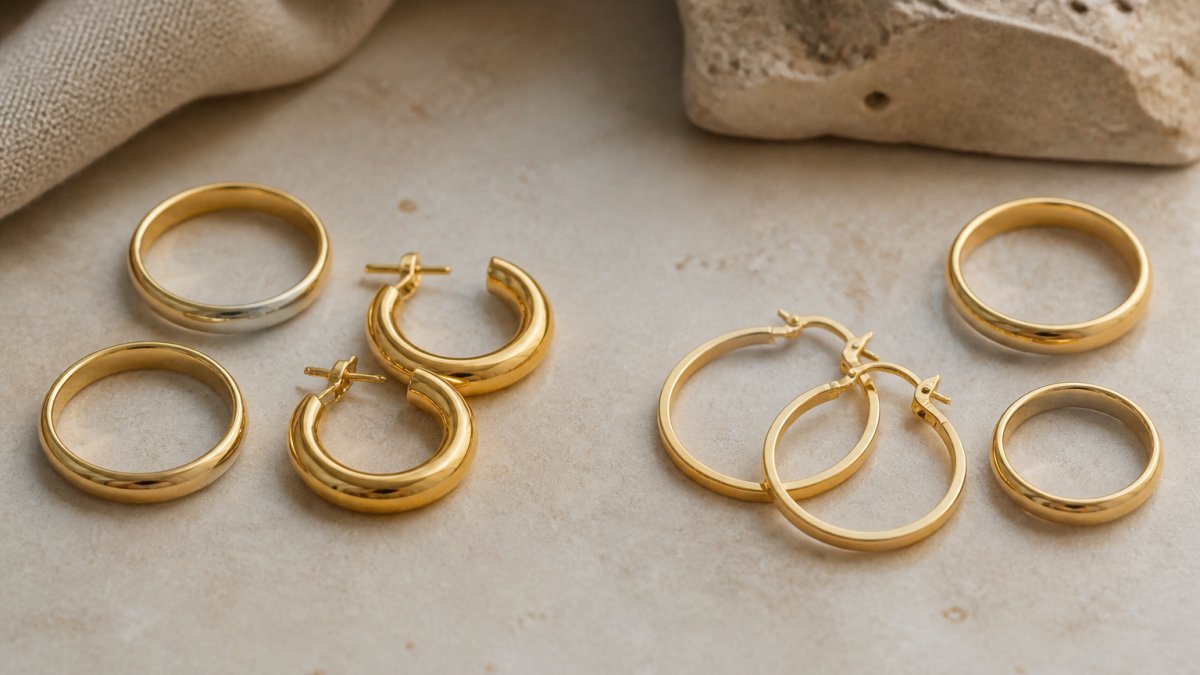
Table of Contents
- 14K Gold vs Gold Vermeil: The Core Difference
- Side-by-Side Comparison: 14K Gold vs Gold Vermeil
- Gold Vermeil Durability: Layer Thickness and Base Metals
- How Long Does Gold Vermeil Last in Real Life?
- 14K Gold Jewelry for Everyday Wear: What to Expect
- Gold Vermeil Care: Water, Sweat, and Cosmetics
- Price, Long-Term Costs, and How to Verify Claims
- Which Should You Choose for Everyday Pieces?
- Frequently Asked Questions
Last Updated: October 20, 2026
14K Gold vs Gold Vermeil: The Core Difference
The core difference between 14K gold and gold vermeil comes down to one question: is the gold all the way through, or only on the surface? Solid 14K gold is a gold alloy through and through.
Below, we'll break down what each material actually is, how long it lasts, and which one makes sense for the jewelry you plan to wear daily. But first, here's what most buying guides get wrong: they treat vermeil as a lesser version of solid gold.
What Solid 14K Gold Actually Means
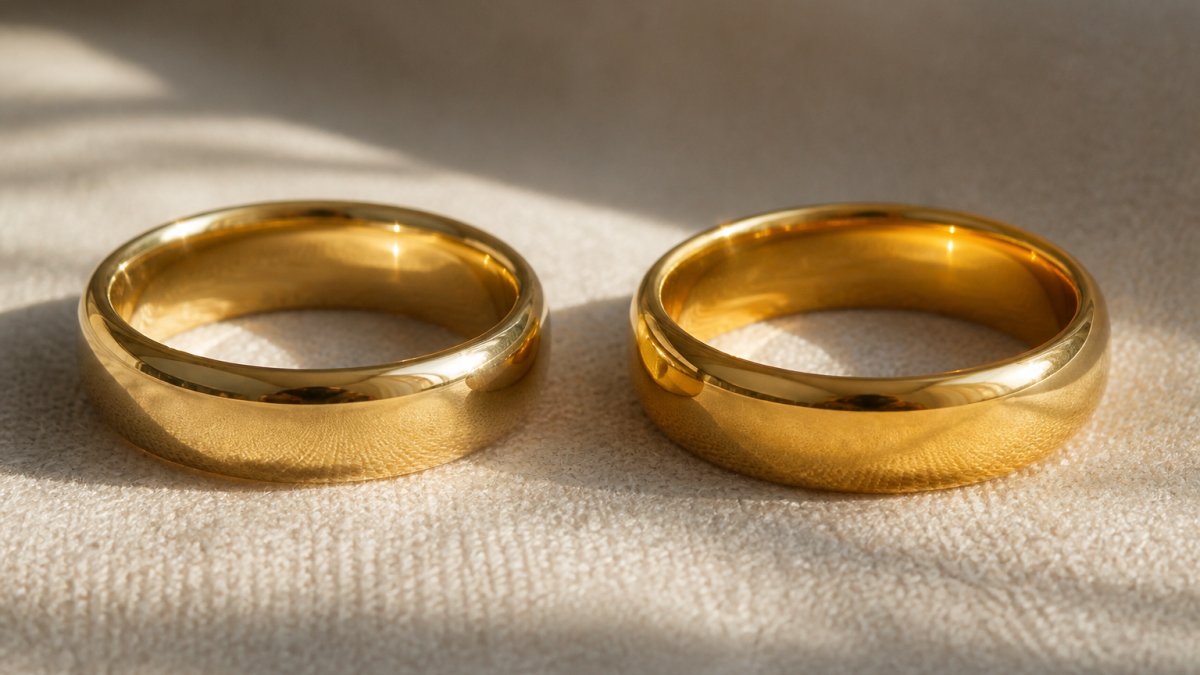
Solid 14K gold is an alloy made of roughly 58.3% pure gold mixed with other metals, usually copper, silver, or zinc, to give it strength and color. The "14K" refers to karat, a measure of gold purity out of 24 parts. Because the gold runs through the entire piece, there is no layer to wear away. Scratches can be polished out, and the metal can be resized or repaired by a jeweler.
What Gold Vermeil Actually Means
Gold vermeil is a sterling silver base coated with a layer of gold that meets a recognized thickness standard, generally at least 2.5 microns of gold at 10K or higher. That thicker gold layer is what separates vermeil from ordinary gold plating, which can be far thinner. The sterling silver core gives vermeil a bright, affordable foundation, while the gold layer supplies the color you see.
Side-by-Side Comparison: 14K Gold vs Gold Vermeil
Here's the short answer: 14K gold wins on longevity and repairability, while gold vermeil wins on upfront price and color choice. The table below summarizes how the two compare across the factors that matter for everyday wear.
| Factor | 14K Solid Gold | Gold Vermeil |
|---|---|---|
| Construction | Gold alloy throughout | Gold layer over sterling silver |
| Gold content | About 58.3% pure gold | Thin gold layer, silver core |
| Layer thickness | None, solid metal | Typically 2.5 microns or more |
| Durability | High, resists wear-through | Good, but layer can thin over time |
| Tarnishing risk | Low | Moderate, silver core can tarnish |
| Resizing and repair | Yes, by a jeweler | Limited |
| Price | Higher | Lower |
| Best for | Daily wear, heirlooms | Rotating wear, budget-friendly pieces |
Gold Vermeil Durability: Layer Thickness and Base Metals
Gold vermeil durability depends almost entirely on two things: how thick the gold layer is and what sits underneath it. A thicker layer, at the 2.5-micron minimum or above, resists wear-through far better than standard plating. The sterling silver base also matters, since silver is softer than gold alloys and can dent or scratch under hard daily use.
A common mistake is assuming all vermeil is equal. Thickness varies widely between makers, and a piece marketed as vermeil without a stated micron count deserves scrutiny. Ask for the specification before you buy.
Pro Tip
When shopping vermeil, ask two questions: what is the gold layer thickness in microns, and what karat is the gold layer? A maker who can answer both quickly is usually a maker who controls their process.
How Long Does Gold Vermeil Last in Real Life?
Gold vermeil lasts roughly one to three years under regular everyday wear before the gold layer begins to thin visibly, but that single range hides the real variable: where on the body the piece sits and how often it is worn.
Here is how the wear profile breaks down by piece type under daily use:
- Rings: Highest wear. Rings contact hard surfaces, grip objects, and rub against adjacent fingers all day. A vermeil ring worn daily is the piece most likely to show wear-through first, often at the band's underside and edges where friction concentrates. Expect the gold layer to thin noticeably sooner than on any other piece type.
- Bracelets and cuffs: High wear. Bracelets rub against wrists, desks, keyboards, and clothing cuffs. A daily-wear vermeil bracelet sees constant abrasion and is second only to rings in wear speed.
- Necklaces and pendants: Moderate wear. A pendant rests against the chest and sees less direct abrasion than a ring or bracelet, but chains still rub against skin and clothing. A vermeil pendant worn a few times a week tends to hold its finish meaningfully longer than a daily-wear ring.
- Earrings: Lowest wear for the gold layer. Studs and hoops see limited friction compared with rings and bracelets, though earring posts and backs can wear at contact points. Vermeil earrings generally hold their finish longest among everyday pieces.
Wear frequency compounds all of this. A vermeil piece worn twice a week will typically outlast the same piece worn daily by a wide margin, because the gold layer only thins through contact.
A common pattern is that people notice wear-through first at high-friction points, such as the bottom of a ring band or the clasp area of a bracelet, rather than across the whole piece. That localized wear is the practical signal that replating is due.
Pro Tip
If you want a vermeil piece to last, rotate it. Wearing the same vermeil ring every single day accelerates wear-through far more than wearing it three or four days a week. Rotation is the cheapest lifespan extender there is.
For comparison, solid 14K gold has no layer to thin, so its lifespan is limited by scratches and dents that can be polished or repaired rather than by a finish that wears away. That is the core trade-off: vermeil's lower upfront price buys a finite finish lifespan, while solid 14K gold's higher price buys a piece that does not depend on a surface layer at all.
14K Gold Jewelry for Everyday Wear: What to Expect
14K gold jewelry for everyday wear holds up to the realities of daily life far better than plated alternatives. The alloy is hard enough to resist scratching, and because the gold runs through the metal, there is no layer to flake or fade. A 14K piece can be worn in the shower, at the gym, and through years of daily use with routine cleaning.
At Native Jewel, our 14K gold pieces are built for exactly this kind of wear. Our Round Cut Lab Diamond Stud Earrings in 14K Yellow Gold pair two IGI-certified lab diamonds with a warm yellow-gold setting designed for daily polish, and our 1.75cttw Round Lab Diamond Wedding Band is made to sit close to the skin through years of ordinary days.


Key Takeaway
If a piece will be worn most days, solid 14K gold is the lower-risk choice. You pay more upfront and stop thinking about the finish.
Gold Vermeil Care: Water, Sweat, and Cosmetics
Gold vermeil care is really about one thing: slowing the rate at which the gold layer breaks down.
Sweat and workouts. Sweat is mildly acidic and contains salts that can attack both the gold layer and the silver core.
Sunscreen and lotions. Sunscreen, body lotion, and moisturizers leave residues that can dull the gold layer and trap moisture against the metal.
Round Cut Lab Diamond Stud Earrings | 2cttw IGI Certified | 14K Yellow Gold →
Perfume and cosmetics. Perfume, hairspray, and cosmetics often contain alcohol and other solvents that can strip or dull a plated finish.
Household cleaners. Chlorine, bleach, ammonia-based cleaners, and abrasive scouring products are especially hard on vermeil.
Storage and cleaning. Store vermeil separately in a dry pouch or lined box to limit scratching and tarnish, and keep pieces from rubbing against harder metals.
Watch Out
Sleeping in vermeil rings or bracelets speeds up wear-through. The friction against sheets and skin is constant, and once the gold layer thins to the silver core, the color difference becomes visible and the piece cannot be restored without replating.
For solid 14K gold, the care calculus is different. Because the gold runs through the piece, water, sweat, and cosmetics do not threaten a surface layer, and routine cleaning with mild soap and water is generally sufficient. That is the everyday-wear advantage of solid 14K gold: it tolerates the exposures that require vermeil to be removed.
Price, Long-Term Costs, and How to Verify Claims
Gold vermeil costs less upfront than solid 14K gold, but the long-term math changes once you factor in replating and replacement. A vermeil piece that needs replating every couple of years adds up, and replating is not always available or economical.
Verifying material claims matters in both cases. Look for a stated karat, a micron count for vermeil, and a hallmark stamp. Reputable sellers disclose these details openly.
Federal Trade Commission guidance on jewelry marketing claims
For diamond pieces, independent certification is the clearest proof. Every Native Jewel diamond is IGI-certified, and you receive that documentation with your purchase, so you can verify the stone's specifications yourself rather than taking a listing's word for it.
Which Should You Choose for Everyday Pieces?
Choose solid 14K gold for pieces you will wear daily, especially rings and bracelets that take constant friction. Choose gold vermeil for statement pieces, occasional wear, or when budget and color variety matter more than decades of durability. Neither choice is wrong. They solve different problems.
If your everyday pieces are the ones that matter most, our 14K collection is where we would start. Our Oval Cut Lab Diamond Stud Earrings in 14K White Gold offer a bright, simplified option for daily wear, and every diamond piece comes with a lifetime warranty, 30-day returns, and complimentary resizing on our rings. As one customer put it, "It feels delicate yet luxurious, and I've already received so many compliments."

Frequently Asked Questions
What is the difference between 14K gold and gold vermeil?
14K gold is a solid alloy: 58.3% gold mixed with metals like copper, silver, or zinc, and that composition runs through the entire piece. Gold vermeil is a sterling silver base coated with a layer of gold that must be at least 2.5 microns thick and at least 10K fineness to meet the standard. So 14K gold is gold all the way through, while gold vermeil is silver with a gold layer on the surface. That difference drives everything else: price, durability, and how each piece ages.
Is 14K gold or gold vermeil better for everyday wear?
For daily wear, 14K gold holds up better. The gold content is consistent throughout, so scratches and small scuffs can be polished out rather than exposing a different metal underneath. Gold vermeil durability depends on the thickness of its gold layer, which wears thinner with friction from rings, bracelets, and constant handling. If you want a piece you never take off, 14K gold jewelry for everyday wear is the lower-maintenance choice. Vermeil works well for earrings and occasional pieces where friction is lighter.
How long does gold vermeil last with regular use?
It varies by piece type and how often you wear it. Earrings and pendants, which see little friction, can keep their gold layer for years. Rings and bracelets rub against skin and surfaces constantly, so the layer can thin in months to a couple of years. Exposure to water, sweat, perfume, and lotion speeds up wear-through. Treating vermeil gently and removing it before showering or cleaning extends its life noticeably.
Can you shower or sleep in gold vermeil jewelry?
You can, but it shortens the life of the gold layer. Water, soap, shampoo, and body oils gradually break down the bond between the gold layer and the sterling silver base, and friction against bedding wears the surface. Gold vermeil care is mostly about reducing exposure: take pieces off before showering, swimming, or applying lotion and perfume. Solid 14K gold has no coating to lose, so showering and sleeping in it is far less of a concern.
How can you tell if a piece is solid 14K gold or gold vermeil?
Check the stamp. Solid 14K gold is usually marked "14K" or "585" somewhere on the inside of a band or the back of a setting. Vermeil pieces are typically stamped "925" for the sterling silver base, sometimes alongside a gold mark. A jeweler can also test the metal or weigh the piece, since solid gold is denser than silver. Ask for the material specification in writing, especially online, and confirm the gold layer thickness if the listing claims vermeil.
The hardest part of buying everyday jewelry is knowing which material will still look right in five years. Solid 14K gold removes that uncertainty, and Native Jewel builds every piece around it: IGI-certified lab-grown diamonds, ethically sourced materials, handcrafted designs, and a lifetime warranty on all diamond jewelry. Get started with Native Jewel and choose a piece you can wear every day without a second thought.


