

Cart
0

Last Updated: November 13, 2026
Quick Summary
Lab grown diamond grading is the process of assessing a stone's cut, color, clarity and carat weight, then recording those findings on a report from an independent laboratory. The report turns a visual impression into a document you can compare across stores and over time. It measures specific characteristics rather than overall value or beauty.
- Grade the four criteria together, since a larger stone or strong cut can offset a lower color or clarity grade.
- Cut grade describes how well a stone is proportioned and finished, not its shape.
- Color grades run from D, colorless, down the alphabet toward visibly tinted stones.
- Confirm the report number matches the certificate, the laser inscription on the girdle, and the seller's listing before buying.
Table of Contents
- The 4Cs Applied to Lab Grown Diamonds
- Lab Grown Diamond Color and Clarity Chart
- IGI Lab Grown Diamond Certificate: What Each Section Tells You
- How IGI and GIA Grading Reports Differ
- Lab Grown Diamond Grading Scale: Premium, Standard, and Visual Reality
- How to Run a Lab Grown Diamond Certification Check Before You Buy
- Choosing an Engagement Ring Based on Your Grading Report
- Frequently Asked Questions
Lab grown diamond grading is the process of assessing a stone's cut, color, clarity and carat weight, then recording those findings on a report from an independent laboratory.
Grading does not measure value, and it does not tell you how a stone will look in a ring. It measures specific characteristics against a published scale, and different laboratories apply those scales with different levels of detail.
This guide is practical. It walks through the 4Cs as they apply to lab grown stones, explains how an IGI certificate is organized, compares how major laboratories report results, and shows how to check a report before you buy.
The 4Cs Applied to Lab Grown Diamonds
The 4Cs are cut, color, clarity and carat weight. For lab grown stones, the same four criteria apply, and the same scales are used to describe them. Carat weight is the simplest: it is the stone's mass, and it is stated to two decimal places on most reports. Color and clarity are graded on standardized scales, and cut is evaluated on a separate set of proportion and finish measurements.
What matters most to a buyer is how these four interact. A larger stone with a modest color grade can look as bright as a smaller stone graded higher, and a cut with strong proportions can hide a lower clarity grade. Reading the four together, rather than chasing any single one, gives a more accurate picture of what you are buying.
Cut Grade, Proportions, Symmetry, and Polish
Cut is the factor that most directly controls brilliance. A report evaluates proportions, which are the angles and depths of the stone, along with symmetry and polish, which describe how neatly the facets are finished. A stone with well-matched proportions returns more light to the eye.
A common mistake is treating the cut grade as a measure of shape. Shape, such as round, oval or emerald, describes the outline of the stone. Cut grade describes how well that outline has been proportioned and finished. A round stone and an oval stone can each receive an excellent cut grade.
How Color Grades Are Assigned
Color grades run from D, which is colorless, down the alphabet toward stones with a visible tint. Graders compare the stone against master stones under controlled lighting, face down, and assign a grade based on the faintest color they can detect. Because the scale is subjective at the margins, two laboratories can differ by a grade on the same stone.
For a ring, the practical question is whether the color shows in the setting. Yellow gold, for example, can warm a near-colorless stone, so a slightly lower color grade may look completely clean once set.
Lab Grown Diamond Color and Clarity Chart
Color and clarity are the two criteria most buyers compare first. The chart below summarizes the main grades and what they generally mean for a finished piece of jewelry.
| Grade Category | Color Grades | Clarity Grades | What It Generally Means |
|---|---|---|---|
| Colorless | D, E, F | FL, IF, VVS1, VVS2 | Very high grade; inclusions are not visible to the naked eye |
| Near-colorless | G, H, I, J | VS1, VS2, SI1 | Strong value; color and inclusions are generally hard to see when set |
| Faint or lower | K and below | SI2, I1 and below | Color or inclusions may be visible; judge the stone in person |
Clarity grades describe inclusions and blemishes seen under 10x magnification. A VS grade means the inclusions are very small and difficult to find even with magnification, which is why VS1 is a popular choice for buyers who want a clean look without paying for the highest grade.
IGI Lab Grown Diamond Certificate: What Each Section Tells You
The International Gemological Institute, known as IGI, issues reports on lab grown diamonds, and its certificates are organized into predictable sections. Knowing where each piece of information sits helps you read the report quickly.
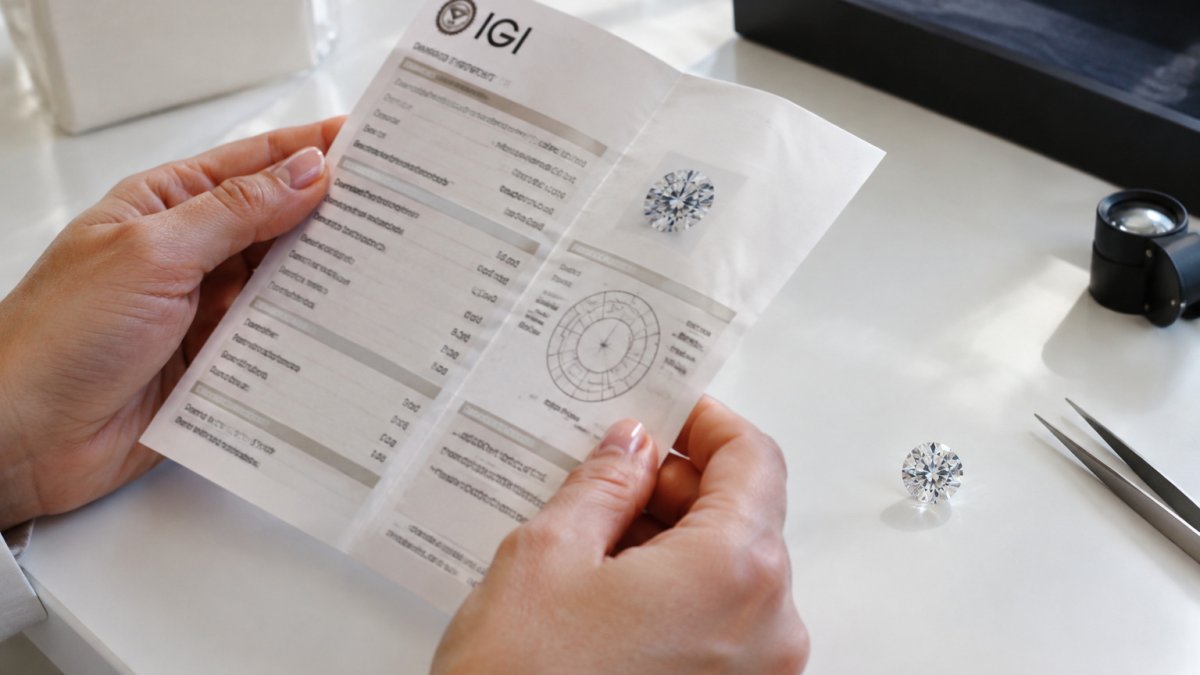
The top of the certificate identifies the report number, the date, and the stone's shape and measurements. The next section records carat weight, color, clarity and cut. Following that, a proportions diagram shows the measurements of the stone's table, crown and pavilion, and a plotted diagram marks the position of any inclusions.
The lower sections record the growth method and any additional comments the laboratory has made. The report number is the most important detail to check, because it allows you to confirm the certificate matches the stone.
Here is a simple checklist for reading the report:
- Confirm the report number is printed on the certificate and matches the paperwork you received
- Check that the carat weight, color, clarity and cut match your purchase
- Review the proportions and plotted inclusion diagram
- Note whether the report identifies the stone as lab grown
How IGI and GIA Grading Reports Differ
Several laboratories grade diamonds, and their reports do not always use the same language. IGI reports lab grown stones and includes proportion and plotting information on its certificates. The Gemological Institute of America, known as GIA, is widely recognized for its grading of natural diamonds, and buyers sometimes assume a GIA report is the only standard that matters.
The practical difference is in terminology and emphasis. Buyers should compare reports from the same laboratory when they are weighing two stones, because a grade from one laboratory may not translate directly to another. Ask the seller which laboratory issued the report before you compare grades side by side.
Lab Grown Diamond Grading Scale: Premium, Standard, and Visual Reality
Some reports and sellers now use Premium and Standard terminology to describe quality tiers. These labels summarize a combination of cut, color and clarity, but they are not a replacement for the underlying grades.
The confusion is understandable, because the terminology arrived in stages and older reports in circulation do not use it.
A useful way to think about the tiers is as a summary of where a stone lands across the 4Cs rather than a new grade of its own.
Watch out: some sellers present a tier label as if it were a laboratory grade.
The most important point is visual reality. Two stones with identical paper grades can look different, because grading assesses specific characteristics, not overall beauty.
How to Run a Lab Grown Diamond Certification Check Before You Buy
Before you buy, confirm the certificate and the stone match.
Start with the report number.
Next, verify the report against the laboratory's own record.
Then check the girdle inscription.
Watch out: an inscription that is missing, polished away, or does not match the report number is a real red flag.
After the number and inscription match, reconcile the report fields against the product listing. Confirm that carat weight, color, clarity, cut grade, shape, measurements and growth method all agree.
Finally, keep the original report with your records. It is the document you will rely on for insurance, resale and any future service, and a replacement copy is not always available.
Native Jewel's lab grown diamond pieces are listed with IGI certification, so you can run this check on your own purchase.
Choosing an Engagement Ring Based on Your Grading Report
Your grading report should guide the ring, not the other way around. Start with the cut grade, since it has the largest effect on sparkle, then decide how much color and clarity you need for the look you want. A near-colorless stone set in yellow gold is a common way to balance quality and budget.
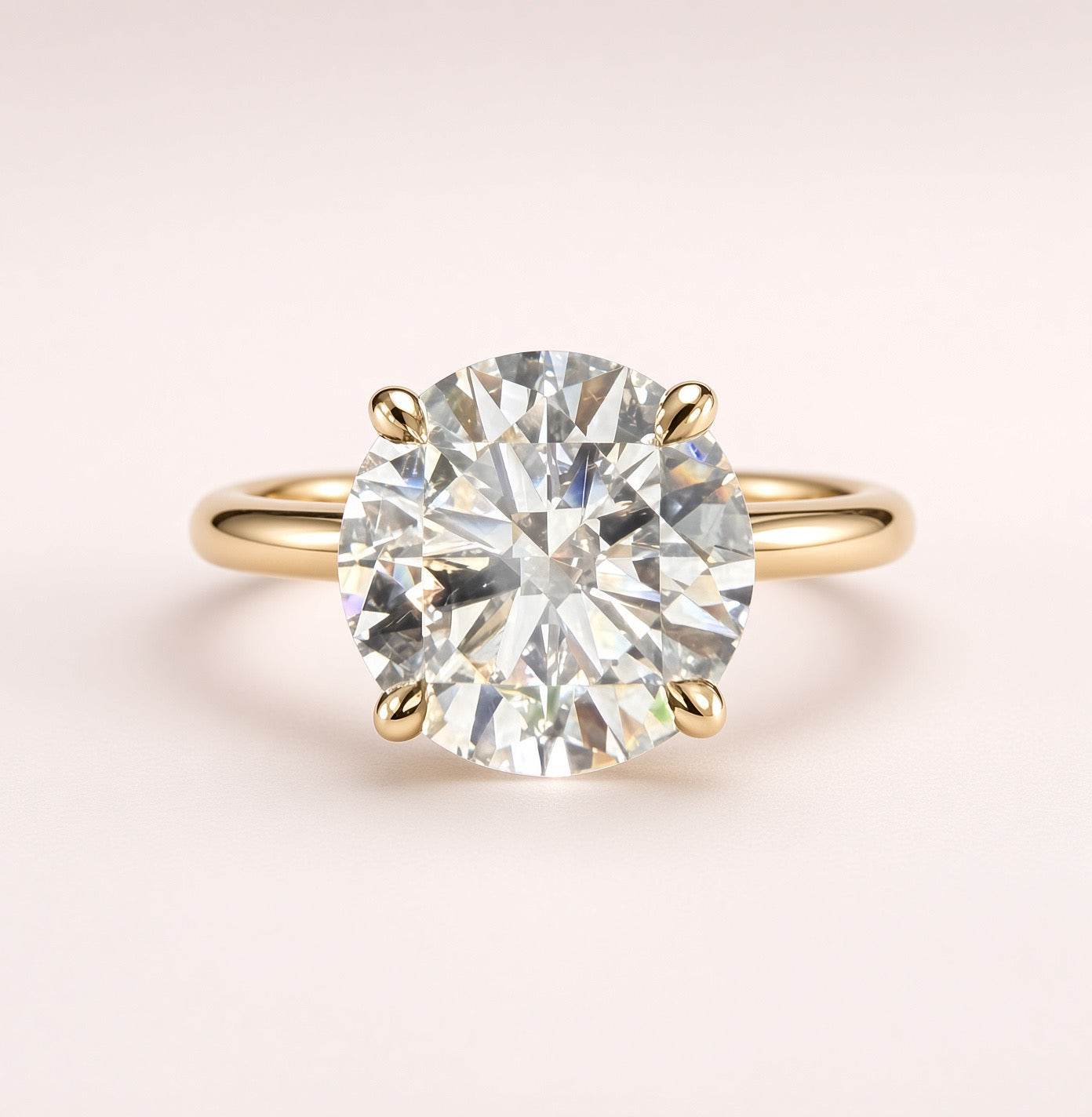
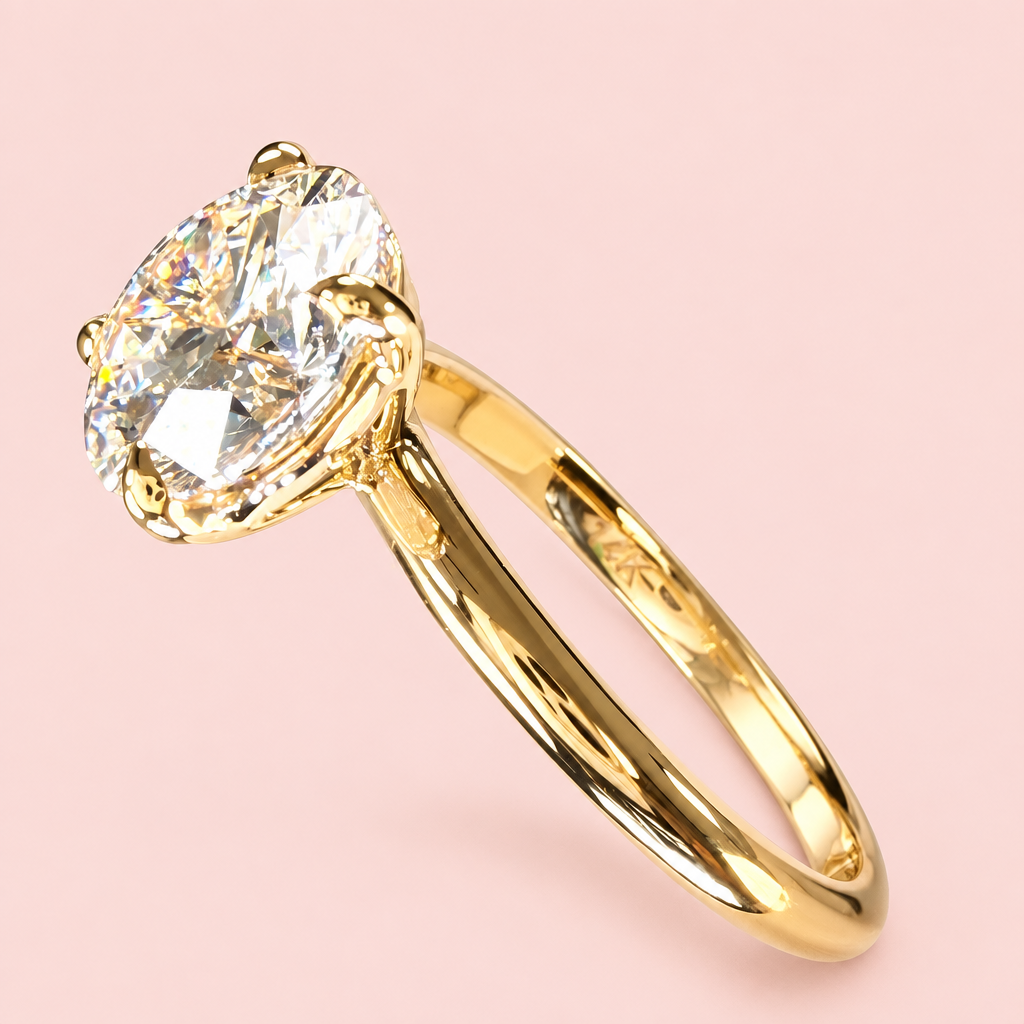
If you are choosing a center stone, the 3 Carat Round Solitaire Engagement Ring | 14K Yellow Gold | D/VS1 IGI Certified is a 3.00ct round lab diamond with D color, VS1 clarity and Excellent cut, IGI certified. For a smaller carat weight with D/VS1 grading, the 1.50ct Round Lab Diamond Solitaire Engagement Ring | 14K Yellow Gold | D/VS1 IGI is a 1.50ct round lab diamond in a 14K yellow gold solitaire setting.
Frequently Asked Questions
Is VS1 or VS2 better quality?
VS1 is the higher clarity grade. Under the GIA-style scale, VS1 inclusions are very slight and harder to see, while VS2 inclusions are still very slight but slightly easier to find under 10x magnification. For most buyers, the difference is hard to see with the naked eye, so the choice often comes down to budget. A VS2 stone with an excellent cut and good color can look nearly identical to a VS1 at a lower price. Always confirm the grade on the certificate rather than relying on a listing alone.
What is the best grade for lab grown diamonds?
There is no single best grade, because the right balance depends on what matters most to you. Color grades near D, E, or F appear colorless to most people, and clarity grades in the VS range are usually eye-clean. Cut is often the most important factor for brilliance, so an Excellent cut matters more than pushing color or clarity to the top of the scale.
Does GIA still grade lab grown diamonds?
GIA reports lab grown diamonds on documents that identify the stone as laboratory grown. Check the current GIA website or the report itself to confirm which report type you are receiving before you buy.
Is IGI or GIA certified better?
Neither lab is universally better. GIA is widely known for grading natural diamonds and also issues reports on lab grown stones. IGI is one of the laboratories that grades lab grown diamonds. Both use the 4Cs and produce a grading report with a unique number. What matters most is that the report comes from a recognized lab, matches the stone's inscription, and that you can verify the report number directly with the issuing lab.
How do you read a lab grown diamond grading report?
Start with the report number and the laboratory name, then confirm the shape, carat weight, measurements, and the stone's identification as laboratory grown. Next, review the color grade, clarity grade, and cut grade, and check whether the cut report includes proportions, symmetry, and polish. Finally, look at the plotting diagram and the inscription details. The plotting diagram shows the location of inclusions. If the stone has a laser inscription, match it against the report number to confirm the stone and report belong together.
Are lab grown diamond grading standards the same as natural diamond standards?
The grading criteria are based on the same 4Cs of cut, color, clarity, and carat weight, and the same graders apply consistent definitions to both types. However, the reports identify the origin, so a lab grown report will clearly state that the diamond was grown in a laboratory. Grades reflect appearance, not origin, so a VS1 lab grown stone and a VS1 natural stone can look the same. Buyers should still confirm origin and report type when comparing prices.
What do color and clarity grades mean for a lab grown diamond?
Color grades run from D, which is colorless, through the letters that show increasing faint color. Clarity grades describe internal and surface features called inclusions, from Flawless to Included. On a lab grown stone, a higher color grade means less visible tint, and a higher clarity grade means fewer or less visible inclusions under magnification. Neither grade alone determines how the stone looks in a ring. Cut quality and setting often have a bigger effect on the final appearance.
How can you verify an IGI lab grown diamond certificate?
Start by checking that the report number on the certificate matches the number inscribed on the girdle of the diamond, where applicable. Then use the report number on the IGI website or contact IGI directly to confirm the report details. Compare the carat weight, color, clarity, cut, and measurements with the listing. Confirm that the report identifies the stone as laboratory grown. If any detail does not match, contact the seller before completing the purchase and keep the original documents.


