

Cart
0
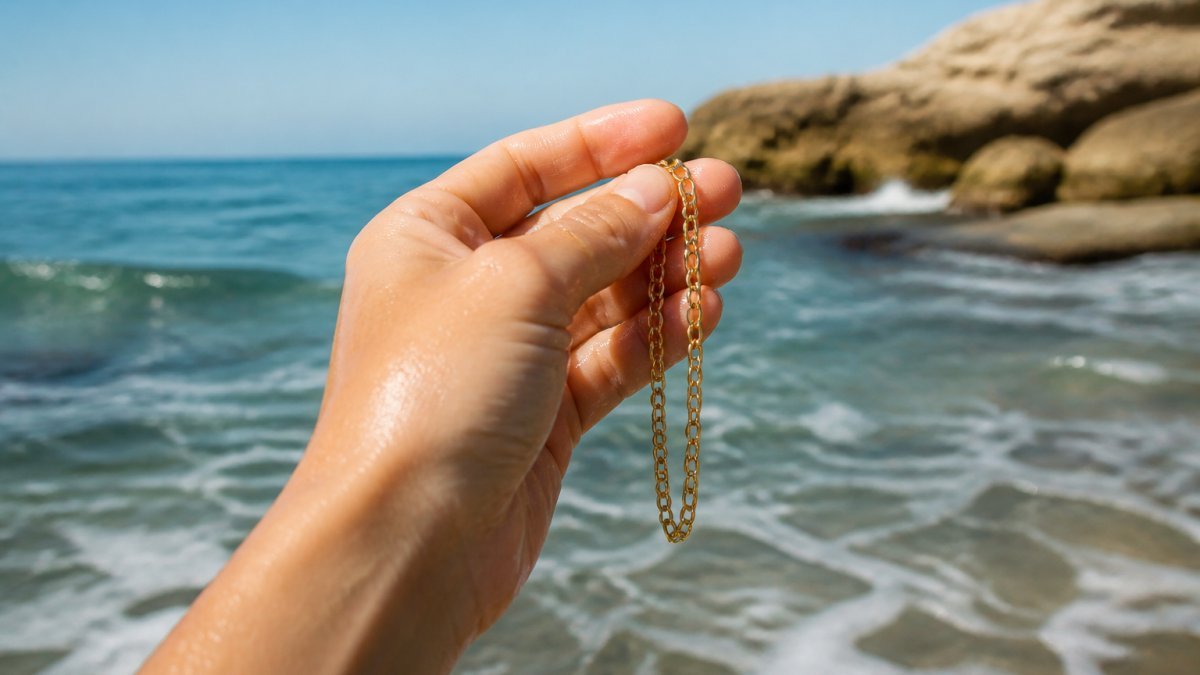
Table of Contents
- Can You Wear 14K Gold in the Ocean? The Short Answer
- Does Salt Water Damage Gold Jewelry? What Actually Happens
- Solid 14K Gold vs. Gold-Filled vs. Gold-Plated: What Survives the Ocean
- The Best Jewelry to Wear in the Ocean (and What to Leave Home)
- Can You Shower With 14K Gold? Everyday Water Exposure Explained
- How to Clean 14K Gold Jewelry After Ocean Exposure
- Practical Safety Tips: Losing Jewelry at the Beach
- Conclusion: Enjoy the Ocean Without Sacrificing Your Gold
- Frequently Asked Questions
Last Updated: October 6, 2026
Can You Wear 14K Gold in the Ocean? The Short Answer
Yes, you can wear 14K gold in the ocean. Solid 14K gold is a metal alloy, not a fragile coating, so a swim in saltwater will not dissolve it or strip it away. At Native Jewel, we get this question constantly from customers planning beach trips and honeymoons, so we want to give you a straight answer instead of a vague warning.
That said, "safe to wear" and "care-free" are not the same thing. Saltwater, sand, sunscreen, and chlorine each affect jewelry differently, and the metal is only part of the story. The gemstones, settings, and clasps matter just as much.
Below, we'll walk through what saltwater actually does to 14K gold, how it compares to gold-filled and gold-plated pieces, which jewelry belongs on the sand, and how to clean your pieces once you're back from the water. We'll also cover the practical risks nobody warns you about, like losing a ring in the surf.
Why 14K Gold Holds Up Better Than You Think
14K gold is a gold alloy made of roughly 58.5% pure gold mixed with other metals like copper, silver, or zinc to make it stronger and more durable. That mix is exactly why it holds up well in everyday conditions, including a trip to the beach.
Pure 24K gold is too soft for daily wear. It bends and scratches easily. Adding harder metals gives 14K gold the toughness it needs for rings, bracelets, and pendants you never take off.
The ocean doesn't break down solid gold. Saltwater is corrosive to some metals, but gold itself resists corrosion and tarnish. Your 14K ring will come out of the water looking the same as it went in, as long as it's solid gold and not just gold-coated.
Does Salt Water Damage Gold Jewelry? What Actually Happens
Salt water does not damage solid gold jewelry in any meaningful way. Gold does not rust, and it does not corrode in seawater. The metal is inert to salt, which is why gold artifacts survive for centuries underwater.
What saltwater can do is affect everything around the gold:
- Dulling the shine. Salt and sand leave a film on the surface that makes gold look less bright until you clean it.
- Trapping grit in settings. Fine sand works its way behind stones and into clasps, where it can cause wear over time.
- Loosening prongs. Repeated exposure plus sand abrasion can slowly work a prong loose, putting a stone at risk.
- Reacting with skin products. Sunscreen, lotion, and sweat can combine with salt to leave residue on the metal.
So the gold is fine. The real question is what the ocean does to the rest of the piece.
Saltwater vs. Chlorine, Sunscreen, and Beach Products
Not all water exposure is equal, and this is where most advice online gets lazy. People lump "the ocean" and "the pool" together, but they affect jewelry differently.
- Saltwater is gentle on solid gold. The main issues are surface film and grit.
- Chlorine is harsher. It can attack the alloy metals in lower-karat gold and dull the finish over repeated exposure.
- Sunscreen and lotion leave a residue that traps sand and makes gold look cloudy. They can also make rings slippery, which raises the odds of losing one in the water.
- Salt plus sand acts like a mild abrasive. Over many beach days, it can add up to visible surface wear.
If you had to pick the least risky water for your gold, the ocean beats a chlorinated pool. Just rinse the piece afterward either way.
Solid 14K Gold vs. Gold-Filled vs. Gold-Plated: What Survives the Ocean
Only solid gold is truly safe for repeated ocean wear, and the difference comes down to how each type is made.
Solid 14K gold is gold alloy all the way through. There is no coating to wear off. It can handle saltwater, sand, and years of wear.
Gold-filled jewelry has a thick layer of gold bonded to a base metal core. It holds up better than plating, but the edges and high-wear spots can eventually expose the core, especially with sand abrasion.
Gold-plated jewelry has a thin gold coating over a cheaper metal. Saltwater, sand, and chlorine speed up the flaking and fading of that coating. Plated pieces are the worst choice for the beach.
| Type | Ocean Durability | What Happens Over Time | Best For |
|---|---|---|---|
| Solid 14K gold | High | Stays intact; may need cleaning | Daily wear, swimming, beach trips |
| Gold-filled | Medium | Edges can wear and expose core | Occasional wear, light water contact |
| Gold-plated | Low | Coating fades, flakes, or discolors | Dry wear only, not the water |
Watch Out
Wearing gold-plated jewelry in the ocean is the fastest way to ruin it. Saltwater and sand strip the thin coating, and once it's gone, the base metal underneath can discolor your skin. Leave plated pieces at home.
The Best Jewelry to Wear in the Ocean (and What to Leave Home)
Solid 14K gold pieces with secure settings are the best jewelry to wear in the ocean. Simple designs with few moving parts handle salt and sand far better than delicate, ornate ones.
Good choices for the water:
- Plain gold bands with no stones to trap sand
- Stud earrings with secure backs
- Simple pendants on a sturdy chain
- Solid gold anklets and bracelets with a reliable clasp
Leave these at home:
- Pieces with lots of small stones, which can loosen
- Delicate chains that snag and break easily
- Anything plated or gold-filled if you'll be in the water for hours
- Heirloom or sentimental pieces you can't afford to lose
Gemstones, Pearls, Settings, and Clasps: The Real Weak Points
The gold is rarely the problem. The weak points are the stones and the hardware holding them in place.
- Pearls are soft and porous. Saltwater, sunscreen, and sand can dull their surface, and they scratch easily.
- Softer gemstones like amethyst, topaz, and chrysoprase can lose their polish with repeated grit exposure.
- Diamonds are hard and handle saltwater well, but the prongs holding them can loosen.
- Settings collect sand behind the stone, which slowly wears the metal.
- Clasps are the number one cause of lost jewelry. A worn or weak clasp plus a wave equals a missing bracelet.
Pro Tip
Before any beach trip, check every prong and clasp with your fingers and a quick look under bright light. If a stone wiggles or a clasp feels loose, get it serviced before you pack it. This five-minute check prevents most beach-day losses.
Can You Shower With 14K Gold? Everyday Water Exposure Explained
Yes, you can shower with 14K gold. Fresh water and mild soap won't harm solid gold, so your ring or necklace can stay on through your morning routine. This is one reason 14K gold is such a practical choice for daily wear.
There are a few caveats worth knowing:
- Soap and shampoo leave a film that dulls the shine over time. A quick polish brings it back.
- Harsh cleaners and abrasive scrubs can scratch the surface.
- Hot tubs and pools bring chlorine into the mix, which is harder on lower-karat alloys.
The same logic applies to the ocean. Solid 14K gold handles water fine. It's the buildup and the wear on settings that you need to manage with regular cleaning.
How to Clean 14K Gold Jewelry After Ocean Exposure
Rinse your 14K gold jewelry with fresh water as soon as you can after leaving the ocean. This one step removes salt and sand before they settle into settings and clasps.
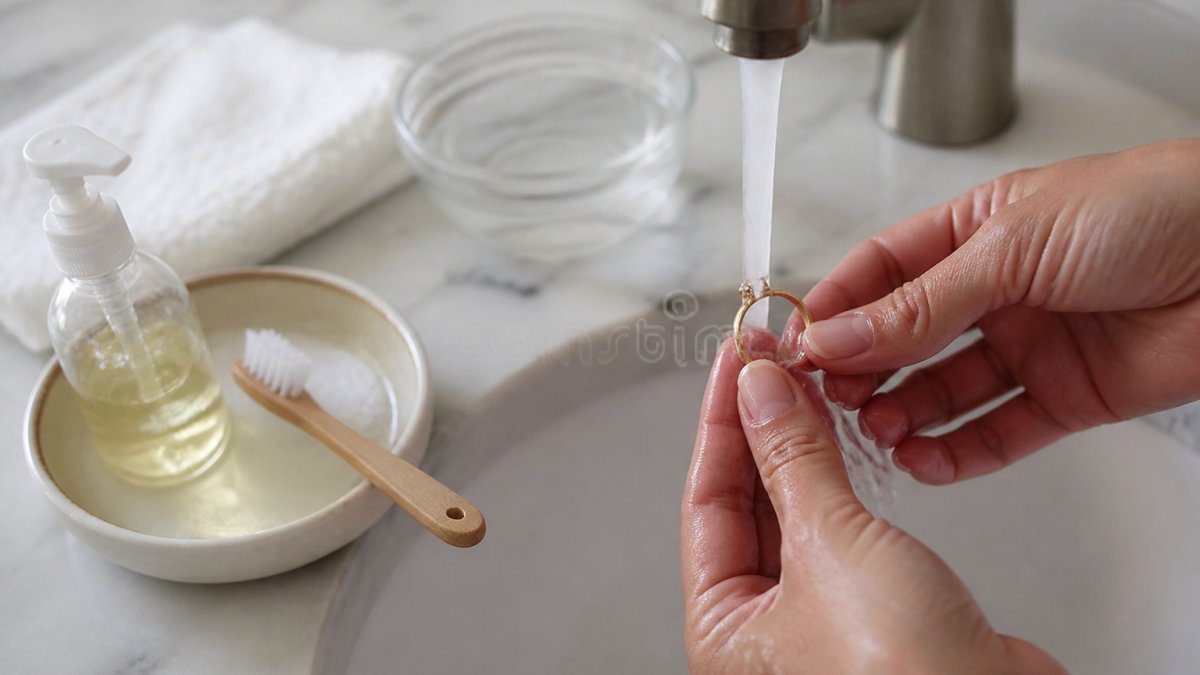
Here's how to clean 14K gold jewelry the right way:
- Rinse with lukewarm water to flush out salt and sand.
- Mix a drop of mild dish soap with warm water in a small bowl.
- Soak the piece for a few minutes to loosen residue.
- Brush gently with a soft toothbrush, focusing on settings and clasps.
- Rinse again and pat dry with a soft cloth.
- Polish with a jewelry cloth to restore the shine.
Key Takeaway
Fresh water is your best friend after the beach. A 30-second rinse right after you leave the water prevents most of the buildup that makes gold look dull.
Practical Safety Tips: Losing Jewelry at the Beach
Losing a ring in the ocean is a far bigger risk than damaging it. Cold water shrinks your fingers slightly, and sunscreen makes metal slippery. A loose ring can slide off in a single wave.
Keep your jewelry safe with these habits:
- Wear rings that fit snugly before you get in the water.
- Take off loose pieces before swimming, especially in the surf.
- Use a jewelry pouch for anything you remove, and keep it zipped.
- Skip the ocean for high-value pieces you can't replace.
- Check your clasps after every swim.
If a piece is precious to you, the safest choice is to leave it in your room and wear a simple alternative instead.
Conclusion: Enjoy the Ocean Without Sacrificing Your Gold
The ocean and your gold jewelry can coexist, as long as you know which pieces can handle the water and which should stay on the shore. Solid 14K gold is built for this. Plated and delicate pieces are not.
At Native Jewel, we craft 14K gold pieces designed for real life, from beach days to everyday wear. Every diamond piece is IGI-certified, ethically sourced, and handcrafted, and all diamond jewelry comes with a lifetime warranty plus 30-day hassle-free returns. If you want jewelry that holds up wherever you take it, explore our collection and find a piece made to last.
Frequently Asked Questions
Can you wear 14k gold in water?
Yes, 14k gold is safe for brief water exposure. The 58.3% gold content combined with alloy metals makes it more durable than 18k or 24k gold, which are softer. Swimming in the ocean once or occasionally won't damage solid 14k gold. However, repeated exposure to saltwater, chlorine, and sunscreen can dull the surface over time. Rinsing and drying your jewelry after each swim keeps it looking new.
Does salt water ruin gold jewelry?
Salt water doesn't ruin solid gold, but it can affect the alloy metals mixed into 14k gold and damage certain gemstones or settings. Prolonged saltwater exposure may cause surface dullness, and if your jewelry is gold-plated or gold-filled, the outer layer can wear away faster. Chlorine and sunscreen are often more aggressive than salt alone. Rinsing with fresh water after swimming protects both the metal and any stones.
Can I take a shower with 14k gold?
Showering with 14k gold is generally fine, but soap scum and shampoo residue can build up on the surface and make it look dull. Hot water and harsh chemicals in some body washes may also affect the alloy metals over time. If you shower daily with your 14k gold ring or necklace, clean it weekly with mild soap and warm water to maintain its shine. Remove jewelry before using exfoliating scrubs or hair treatments.
Should you rinse gold jewelry after swimming in the ocean?
Yes, rinse your 14k gold jewelry with fresh water immediately after swimming in the ocean. Salt crystals and sand can scratch the surface or lodge in settings. Use lukewarm water, pat dry with a soft cloth, and avoid harsh chemicals. If you wore gemstone pieces, check the settings for loosened stones. This simple step prevents long-term dullness and keeps clasps and prongs functioning properly.
Ready to wear gold that keeps its shine through every swim and every season? Native Jewel offers handcrafted 14K gold and IGI-certified lab-grown diamond pieces built for daily wear and life's biggest moments. With ethically sourced materials, a lifetime warranty on all diamond jewelry, and free shipping on orders over $1999, it's easy to find something you'll never want to take off. Get started with Native Jewel and wear your gold with confidence.


