

Cart
0
Table of Contents
- What Are Lab-Grown Diamonds?
- Are Lab-Grown Diamonds Real?
- The Key Pros of Buying Lab-Grown Diamonds
- The Main Cons of Lab-Grown Diamonds
- Lab-Grown Diamond Resale Value and Investment Potential
- IGI vs. GIA Certification for Lab Diamonds
- Price Comparison: Lab-Grown vs. Mined Diamonds
- Durability and Long-Term Maintenance
- Frequently Asked Questions
Last Updated: October 2, 2026
What Are Lab-Grown Diamonds?
Lab-grown diamonds are diamonds created in controlled laboratory environments rather than mined from the earth, and understanding the lab grown diamonds pros cons helps you make an informed purchase decision. They possess the identical chemical composition, crystal structure, and optical properties as mined diamonds. The key difference lies in origin: lab-grown diamonds form over weeks to months in a laboratory, while natural diamonds take billions of years to form underground.
Two primary production methods exist. High Pressure High Temperature (HPHT) technology mimics the extreme conditions found deep within the earth, while Chemical Vapor Deposition (CVD) builds diamonds layer by layer from carbon-rich gases. Both methods produce stones that are chemically and physically identical to mined diamonds at the atomic level.
The refractive index, hardness on the Mohs scale, and light-dispersing properties all match natural diamonds exactly. A trained gemologist cannot distinguish a lab-grown diamond from a mined one without specialized equipment. This fundamental truth underpins the entire case for lab-grown diamonds: you're purchasing authentic diamonds at a fraction of traditional retail prices.
Are Lab-Grown Diamonds Real?
Lab-grown diamonds are absolutely real diamonds. They are not cubic zirconia, moissanite, or synthetic imitations. The Federal Trade Commission (FTC) recognizes lab-grown diamonds as genuine diamonds because they possess the same physical, chemical, and optical properties as mined diamonds. The only meaningful difference is their origin.
The confusion stems from terminology. "Synthetic" doesn't mean fake in this context, it means created through human intervention rather than natural geological processes. A lab-grown diamond is a real diamond made through synthesis. The carbon atoms are arranged in the exact same crystal lattice as a mined diamond. Under a microscope, under a jeweler's loupe, under laboratory analysis, the stones are indistinguishable.
What separates lab-grown diamonds from cubic zirconia or other diamond simulants is measurable and verifiable. Cubic zirconia scores 8-8.5 on the Mohs hardness scale; diamonds score 10. Cubic zirconia clouds and yellows over time; diamonds maintain their clarity and color for centuries. These aren't subjective differences, they're fundamental material properties that any gemologist can verify with standard testing equipment.
Pro Tip
IGI certification documents that your lab-grown diamond is a real diamond, not a simulant. The certification card explicitly states "laboratory-grown diamond" to distinguish it from mined stones, but the "diamond" designation is definitive.
The Key Pros of Buying Lab-Grown Diamonds
Significant Price Advantage
Lab-grown diamonds cost substantially less than comparable mined diamonds. A 3-carat D-color, VS1-clarity lab-grown diamond might cost around $3,500 to $4,500. This price gap exists because lab-grown production eliminates the geological rarity premium attached to mined stones.
The affordability advantage compounds across multiple dimensions. You can purchase a larger center stone for the same budget. You can upgrade to a higher color or clarity grade. You can invest in superior metalwork and setting design. Native Jewel's 4.05ct Oval Lab Diamond Engagement Ring in 14K White Gold demonstrates this value proposition: a 4-carat total diamond weight ring with IGI certification at $2,500 delivers presence and quality that would cost significantly more with mined stones.

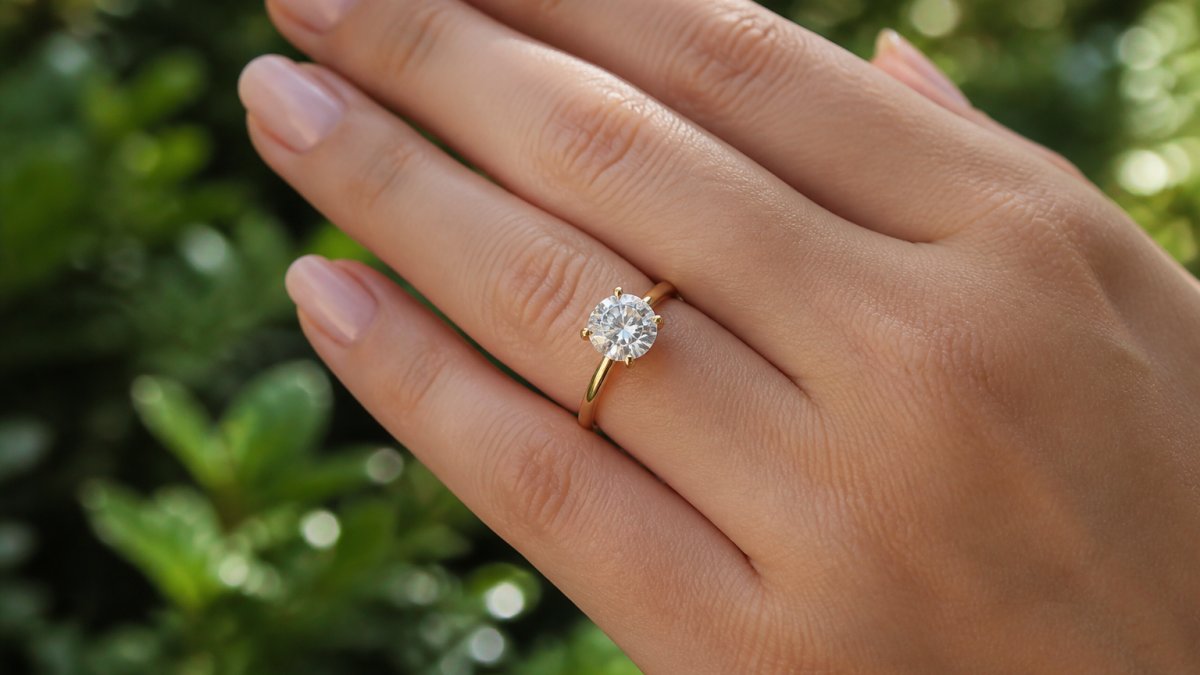
The direct-to-consumer model amplifies savings further. Removing middlemen and retail overhead translates directly to lower prices for consumers without compromising quality or craftsmanship.
Ethical Sourcing and Sustainability
Lab-grown diamonds eliminate the ethical concerns associated with mined diamonds. The diamond mining industry has faced decades of scrutiny regarding labor practices, environmental impact, and conflict financing. Lab-grown production sidesteps these issues entirely.
Environmental impact differences are substantial. Mining operations require extensive land disruption, water consumption, and energy use. Lab-grown diamonds, while energy-intensive during the growth phase, consume significantly less water and create minimal land disruption. The overall carbon footprint remains lower than the combined mining, processing, and transportation emissions of mined diamonds.
Ethical sourcing appeals particularly to conscious consumers who want their engagement rings to reflect their values. No conflict-free certification complications, no supply chain ambiguity, no risk of inadvertently supporting problematic mining operations. The production process is transparent and verifiable.
Identical Physical Properties
Lab-grown diamonds exhibit the same hardness, durability, and longevity as mined diamonds. They rank 10 on the Mohs hardness scale, the same as natural diamonds. They refract light identically, producing the same sparkle and brilliance. They resist scratching and degradation over decades of wear.
This equivalence matters for heirloom considerations. A lab-grown diamond engagement ring will look as brilliant in 50 years as it does today. The stone won't cloud, yellow, or lose its optical properties. From a durability standpoint, lab-grown and mined diamonds are functionally identical.
The Main Cons of Lab-Grown Diamonds
Resale Value Challenges
Lab-grown diamonds face significant resale value depreciation. Lab-grown diamonds typically retain only 20-30% of their purchase price when resold.
This disparity exists for straightforward economic reasons. Supply is unlimited. As production technology improves and scales, lab-grown diamond prices will likely continue declining. A diamond purchased for $3,500 today might be worth $700-1,000 in five years if you attempt to sell it.
The resale market for lab-grown diamonds remains underdeveloped. If you ever need to liquidate the stone, finding a buyer willing to pay fair market value becomes challenging.
4.05ct Oval Lab Diamond Engagement Ring | 3ct Center | D/VS1 IGI Certified →
Market Saturation and Future Depreciation
As lab-grown diamond production expands globally, prices will continue declining. This isn't speculation, it's basic supply and demand economics. Major diamond producers have already shifted significant capacity toward lab-grown production. Technology improvements reduce production costs annually. Increased supply combined with stable demand creates inevitable downward price pressure.
A lab-grown diamond purchased today will be worth less in absolute dollars in three years, and substantially less in ten years. If you view your engagement ring as a financial asset or potential inheritance, this trajectory presents a meaningful consideration. The stone won't deteriorate physically, but its market value will erode.
Limited Heirloom Appeal
Mined diamonds carry historical and cultural weight. They're associated with rarity, timelessness, and permanence. They're the traditional choice for heirloom pieces passed through generations. Lab-grown diamonds, despite being physically identical, lack this cultural resonance.
If your engagement ring matters as a symbol to be inherited and treasured across generations, the "lab-grown" designation creates a psychological barrier. Some family members may view it as less special or valuable than a mined stone. This is entirely subjective, but it's a real consideration for people prioritizing heirloom legacy over current affordability.
Lab-Grown Diamond Resale Value and Investment Potential
When weighing lab grown diamonds pros cons, you should recognize that lab-grown diamonds should not be purchased as investments. They lack the financial appreciation characteristics of mined diamonds or precious metals. The expectation should be depreciation, not appreciation or even value retention.
However, the resale value question deserves nuance. If you purchase a lab-grown diamond for its current affordability and durability, not as an investment, the resale value becomes less relevant. You're buying a beautiful, physically identical diamond at a fraction of mined prices. The fact that it won't resell for premium prices is the trade-off for that affordability advantage.
For engagement rings specifically, resale value rarely factors into the original purchase decision. Most people keep their engagement rings regardless of market value. The ring's meaning transcends its liquidation value. From this perspective, the resale depreciation is immaterial to the actual user experience.
That said, if you anticipate potentially selling the ring within five to ten years, lab-grown diamonds present a financial risk that mined diamonds don't. The gap between purchase price and resale value widens with time.
IGI vs. GIA Certification for Lab Diamonds
Certification matters significantly when purchasing lab-grown diamonds. The two primary certifying bodies are IGI (International Gemological Institute) and GIA (Gemological Institute of America).
GIA historically focused exclusively on mined diamonds and only recently began certifying lab-grown stones. Their grading standards for lab diamonds are rigorous and widely recognized.
IGI specializes in lab-grown diamond certification and has decades of experience with these stones.
| Certification Body | Specialization | Cost | Resale Recognition | Best For |
|---|---|---|---|---|
| IGI | Lab-grown diamonds | Lower | Growing in secondary market | Lab-grown purchases, value-conscious buyers |
| GIA | Mined diamonds (recently lab-grown) | Higher | Established for mined diamonds | Crossover credibility, future resale potential |
Price Comparison: Lab-Grown vs. Mined Diamonds
Direct price comparison illustrates the affordability advantage clearly. The same specifications in a lab-grown diamond cost $3,500-$4,500.
Key Takeaway
This affordability advantage is the primary reason consumers choose lab-grown stones.
Durability and Long-Term Maintenance
Lab-grown diamonds require identical maintenance to mined diamonds. They resist scratching, maintain their optical properties indefinitely, and don't require special care beyond standard jewelry maintenance. A lab-grown diamond will look as brilliant in 30 years as it does today.
Frequently Asked Questions
Are lab-grown diamonds real diamonds?
Yes, lab-grown diamonds are real diamonds. They have the same chemical composition (carbon), crystal structure, and optical properties as mined diamonds. The only difference is their origin: lab-grown diamonds are created in a controlled environment using either HPHT (high-pressure, high-temperature) or CVD (chemical vapor deposition) technology, while mined diamonds form naturally underground over billions of years. Professional gemologists and grading reports cannot distinguish them based on physical properties alone.
What is the resale value of lab-grown diamonds compared to mined diamonds?
Lab-grown diamonds typically have significantly lower resale value than mined diamonds. Lab-grown diamonds often resell for 20-40% of their retail cost. This is due to market saturation, lower perceived rarity, and limited secondary market demand. Many jewelry retailers and appraisers do not offer buyback programs for lab-grown stones, making them less suitable as long-term investments or heirlooms.
Is IGI certification as reputable as GIA for lab-grown diamonds?
IGI (International Gemological Institute) is a well-established and reputable certifier that specializes in grading lab-grown diamonds. GIA (Gemological Institute of America) historically focused on mined diamonds but now also grades lab-grown stones. Both are recognized in the jewelry industry. IGI has extensive experience with lab-grown diamonds and provides detailed grading reports. For lab-grown diamonds specifically, IGI certification is widely accepted and trusted.
Will a lab-grown diamond scratch or lose durability over time?
No. Lab-grown diamonds have the same hardness as mined diamonds, rating 10 on the Mohs hardness scale. They are equally durable and resistant to scratching in everyday wear. The 14K gold settings used in fine jewelry like those from Native Jewel are also durable for daily use, though gold is softer than diamonds and may show minor wear over decades. Proper care, regular cleaning and occasional professional maintenance, ensures both the diamond and setting remain brilliant for a lifetime.


